Many people expect dental implants to be a permanent fix, but tooth implants problems can still happen. This short guide explains the most common issues, what signs to watch for, and practical steps for people near Dawson County, Montana. If you or a loved one have concerns after implant surgery, this article helps you know when to act, what treatments are available, and how to find experienced care nearby.
Common tooth implants problems patients face
Peri-implantitis (infection and inflammation)
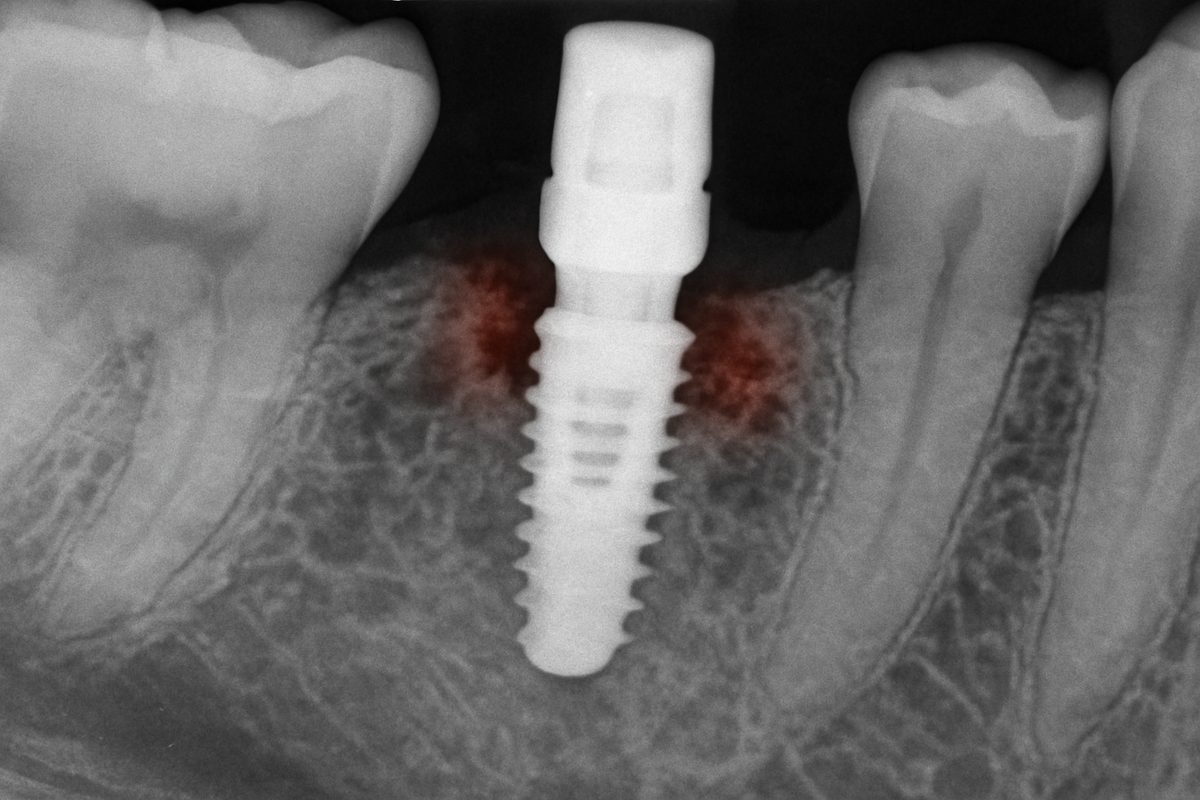
Peri-implantitis is infection around the implant that causes swelling, bleeding, and bone loss. Left untreated, it can lead to implant failure.
Loose or failed implants
An implant that feels mobile may not have integrated with bone or may have lost support from bone resorption. Early detection improves chances of saving the implant.
Pain, numbness, or nerve-related symptoms
Persistent pain, tingling, or numbness after implant surgery can point to nerve irritation or improper implant positioning and needs quick evaluation.
Prosthetic fit issues (crowns, bridges, All-on-4)
Poorly fitting crowns or bridges can cause chewing problems, food trapping, or pressure on the implant. Prosthetic adjustments often solve these problems.
Signs and symptoms to watch for after implant treatment
Early warning signs (swelling, fever, severe pain)
Within days of surgery, watch for increasing swelling, fever, or severe pain that does not get better with prescribed meds. These can signal infection.
Late warning signs (bleeding gums, mobility, chronic discomfort)
Weeks to months later, look for bleeding, gum recession, implant movement, or ongoing soreness. These are common signs of tooth implants problems near Dawson County, Montana and deserve prompt care.
What causes tooth implants problems
Medical and lifestyle factors (smoking, diabetes, bone loss)
Smoking, uncontrolled diabetes, and low bone density raise the risk of complications. Managing health before surgery reduces risk.
Surgical and restorative factors (placement angle, poor fit)
Incorrect placement angle, inadequate bone support, or poorly designed prosthetics can create long-term problems.
Poor hygiene and lack of maintenance
Skipping cleaning and recall visits lets bacteria build up and can lead to peri-implantitis or prosthetic failure.
When to seek care for tooth implants problems near Dawson County, Montana
If you have rapid swelling, fever, severe pain, or a loose implant, seek emergency care. For slow changes like mild bleeding or discomfort, call within a week to arrange a diagnostic visit. Quick action improves outcomes.
Diagnosis and treatment options for tooth implants problems
Non-surgical care: antibiotics, debridement, prosthetic adjustments
Early infections can often be treated with antibiotics, cleaning around the implant, and fixing the crown or bridge.
Surgical care: grafting, pocket reduction, implant removal/replacement
Advanced cases may need bone grafts, pocket reduction surgery, or implant removal and replacement.
Prosthetic solutions: re-crown, reline, or remount options
If the prosthetic is the issue, re-crowning, relining, or remounting can restore function and comfort.
How to reduce your risk of tooth implants problems
Pre-treatment steps: medical optimization, smoking cessation
Control chronic conditions and quit smoking before implant surgery to lower complication risk.
Post-op care: home hygiene, scheduled maintenance, night guards for bruxism
Brush, floss, and keep regular dental checkups. Use a night guard if you grind your teeth.
Finding expert help for tooth implants problems near Dawson County, Montana
Sandcreek Dental in Glendive offers advanced diagnosis and implant care for patients facing tooth implants problems near Dawson County, Montana. They use CBCT imaging, iTero and Trios 5 scans, CEREC same-day crowns, and in-house 3D printing to plan precise treatment.
What to expect at your visit
Expect digital X-rays or CBCT scans, intraoral scanning, and a clear treatment plan. These tools help identify the cause and guide the right repair.
Who you’ll meet
Dr. Matthew Calkins and Dr. Nathan Sickler focus on straightforward, patient-centered care and will walk you through options and timelines.
If you suspect tooth implants problems near Dawson County, Montana, book an exam, bring prior records or X-rays, and ask about CBCT imaging and implant maintenance plans. Early assessment gives you the best chance to save your implant and protect your oral health.