If you’re facing a badly damaged or painful back tooth, this article explains what a molar extraction and implant near Dawson County, Montana means and whether it might be right for you. This guide is for adults wondering about removing a broken or infected molar and replacing it with a long-lasting dental implant. Read on to learn who’s a good candidate, the treatment steps, risks, recovery, cost, alternatives, and when to see a dentist.
What is a molar extraction and implant near Dawson County, Montana?
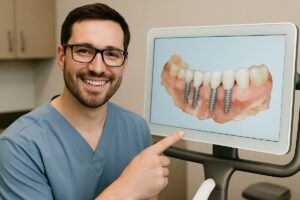
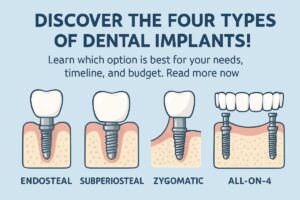
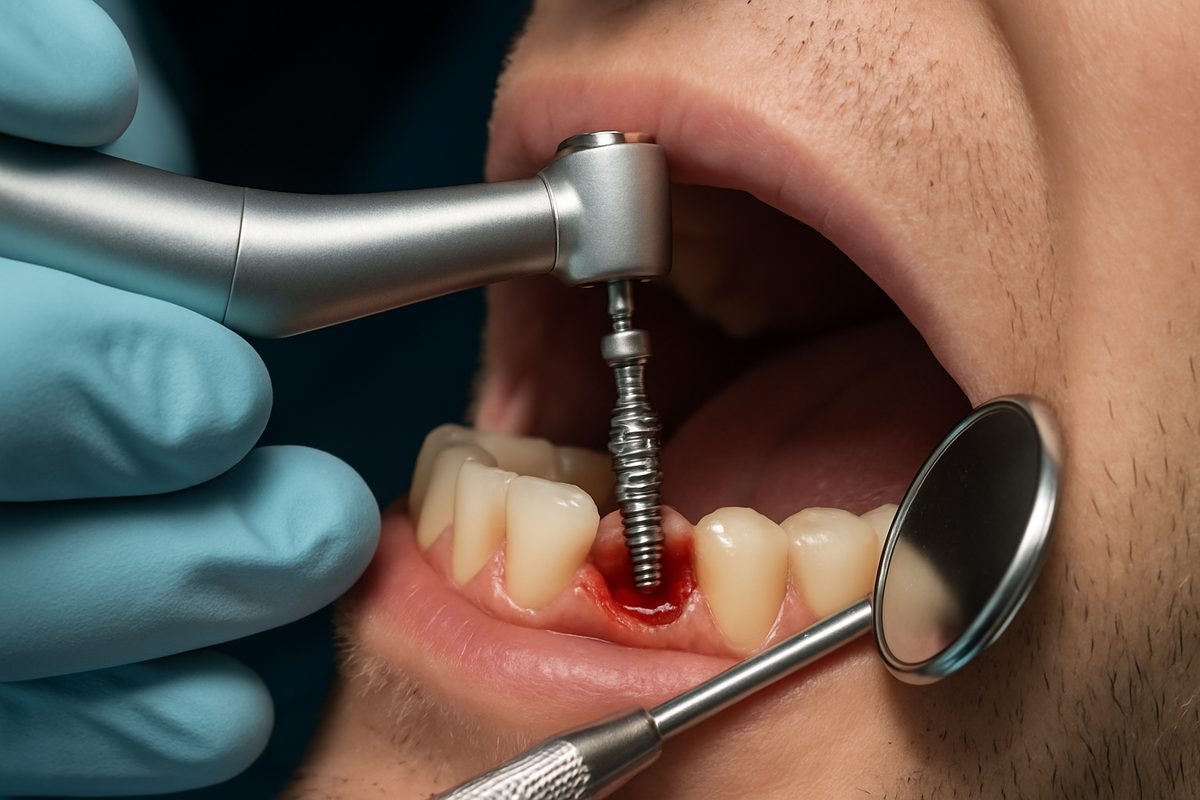
A molar tooth extraction and tooth implant is a two-part dental treatment. First, a damaged or infected molar is removed. Second, a titanium dental implant is placed in the jaw to act as an artificial tooth root. After the dental implant bonds with bone, a custom tooth crown restores chewing and appearance. Dental implants are often preferred because they preserve jawbone, avoid changing nearby teeth, and provide long-term function.
Who is a good candidate for molar extractions and dental implants?
Dental health factors
Good candidates typically have a molar that cannot be saved due to deep decay, fracture, infection, or a failed root canal. Adequate jawbone where the molar sits is important; if bone is thin, grafting can help. Your dentist will use X-rays or CBCT scans to check bone and nearby nerves before recommending treatment.
Medical and lifestyle factors
Overall health affects healing. Well-controlled diabetes, quitting or reducing smoking, and reviewing medications with your dentist near Dawson County, Montana improve success. Age alone is not a barrier, but immune issues or certain drugs may increase risks. Your dentist near Dawson County, Montana will review your medical history before proceeding.
The step-by-step process for molar extractions and dental implants near Dawson County, Montana
Consultation and imaging
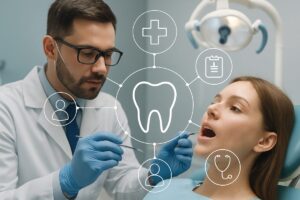
Your first visit includes an exam, digital X-rays, and often a CBCT scan to map bone and nerve positions. This planning step helps decide dental implant size, position, and whether grafting is needed.
Extraction and site preparation
Extractions are done gently to protect bone. If the socket lacks enough bone, a graft may be placed at the same visit or later. In upper molars, a sinus lift can be needed to create space for the dental implant.
Dental implant placement, healing, and final tooth crown
The dental implant is inserted into the jaw and left to integrate with bone for several months. In some cases, a temporary or same-day tooth crown is possible; final tooth crowns are custom-made and attached once integration is complete.
Risks, complications, and how they’re managed
Common risks include infection, nerve irritation, dental implant or graft failure, and sinus issues. Careful imaging, sterile technique, and follow-up visits reduce these risks. If a complication occurs, your dental team will treat infections, adjust or remove implants if needed, and manage nerve symptoms promptly.
Recovery timeline and aftercare for molar extraction and implant near Dawson County, Montana
Expect 1–2 weeks for extraction site healing and 3–6 months (or longer) for dental implant integration. Follow home care: soft foods, gentle brushing, prescribed pain meds or antibiotics, and avoiding smoking. Regular follow-ups track healing and plan the final tooth crown.
Cost, insurance, and financing
Cost varies by grafting needs, number of dental implants, and imaging. Dental insurance may cover part of extractions but often limits dental implant coverage. Ask about flexible payment plans, third-party financing, or in-office options to spread costs.
Alternatives to molar extractions and dental implants
Alternatives include saving the tooth with root canal therapy, a dental bridge, or a removable partial denture. Dental bridges may be cheaper short-term but require altering adjacent teeth and don’t preserve bone like dental implants. A removable partial is lower cost but less stable.
Is a molar extraction and dental implant right for you near Dawson County, Montana?
Weigh your oral health, budget, and long-term goals. If you have persistent pain, a fractured molar, or a loose restoration, schedule an evaluation. A dentist can review options and create a personalized plan.
Looking for dental care near Dawson County, Montana?
Sandcreek Dental in Glendive offers full-scope and dental implant dentistry with CBCT, digital X-rays, iTero/Trios scanners, CEREC® same-day tooth crowns, and in-house 3D printing. Dr. Matthew Calkins and Dr. Nathan Sickler focus on comfort and clear treatment planning. Contact us at Sandcreek Dental to book a consult and learn whether a molar extraction and implant is right for you.