If you’re considering a full mouth reconstruction in Glendive, MT, this guide explains what to expect from the first visit through recovery and payment options. It’s written for people with widespread dental problems — broken or missing teeth, chronic pain, bite troubles, or failing restorations — who want clear steps and practical next actions.
Read on to learn how clinicians evaluate your smile, the digital tools used to plan care, common treatment phases and timelines, and smart ways to handle costs so you can move forward with confidence.
What to Expect During a Full Mouth Reconstruction (null in Glendive, MT)
Initial consultation & smile evaluation
Your first visit usually starts with a review of medical and dental history and a focused oral exam. Expect photos, basic x-rays, and a conversation about your goals: comfort, chewing, appearance, or long-term function. The dentist will document symptoms, look for infection or tooth wear, and note bite problems.
Most patients leave the first visit with a preliminary plan and an estimated timeline for next steps. That plan outlines which problems need immediate attention and which can wait, helping you prioritize treatment.
Digital diagnostics & treatment planning
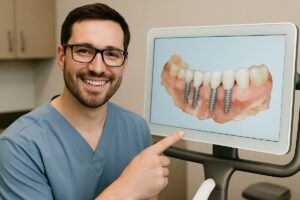
Modern planning uses digital tools to make care precise and predictable. CBCT scans, iTero or Trios intraoral scans, and digital X‑rays capture bone, tooth, and bite relationships in detail. These images are combined to map implant placement, design restorations, and set the sequence of care.
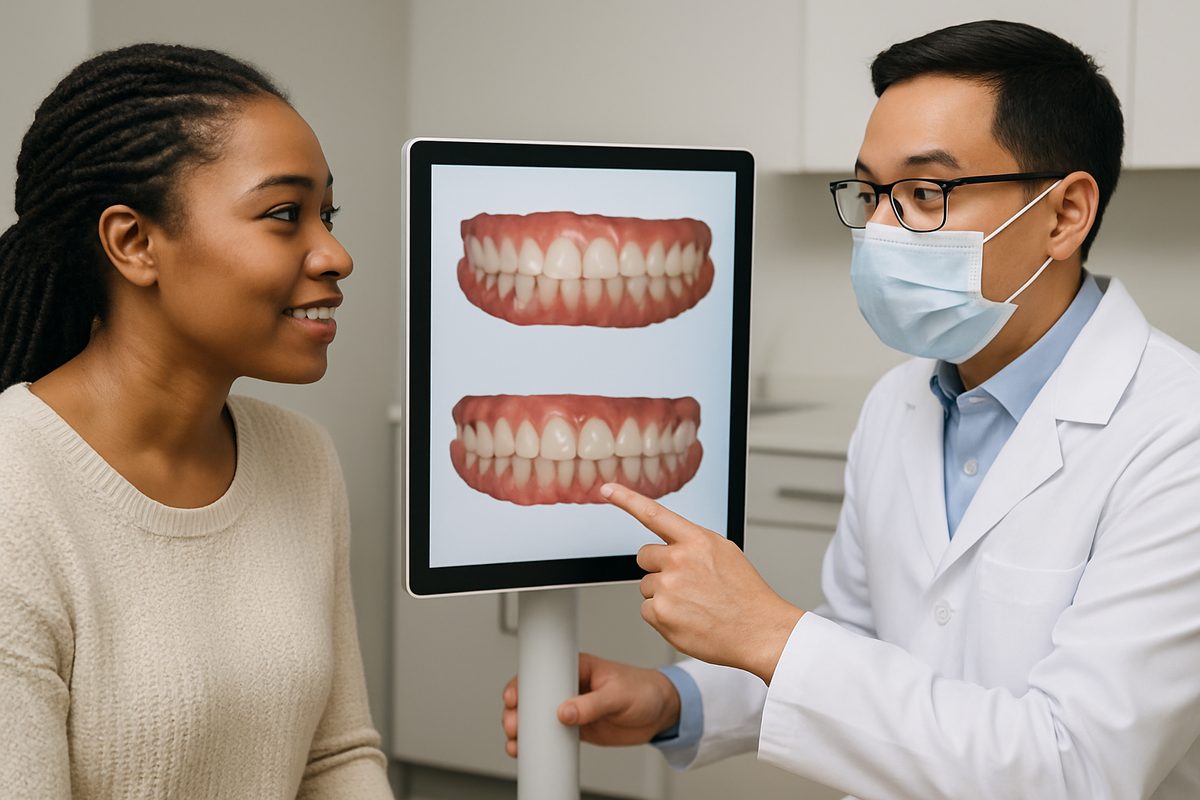
Null in Glendive, MT diagnostics help the team plan safer surgeries and restorations by showing where bone is strong or thin, how nerves and sinuses lie, and how crowns will align with your bite. Digital models also let you preview esthetic outcomes before treatment begins.
Treatment phases and typical timeline
Full mouth reconstruction usually follows three broad phases:
- Stabilize disease: Treat decay, infections, and gum disease. This may take a few weeks to a couple of months depending on severity.
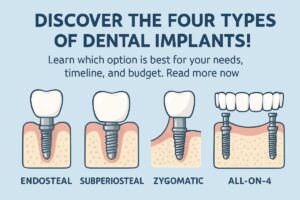
- Restore function: Replace missing teeth, place implants, or fit bridges and crowns. Implant placement and healing can add 3–6 months if bone grafts are needed; some cases use immediate-load options to shorten time.
- Finalize esthetics: Adjust bite, polish restorations, and complete cosmetic work like veneers or gum contouring. Final appointments fine-tune appearance and function.
Overall timelines range from several weeks for simpler comprehensive restorations to many months for complex surgical cases. Your dentist will give a personalized schedule during planning.
Comfort, sedation, and what to expect day‑to‑day
Comfort is planned from start to finish. Options commonly include local anesthesia, oral sedation, or nitrous oxide. For longer procedures or implants, dentists may offer deeper sedation to keep you relaxed.
Pain after procedures is usually managed with short courses of over‑the‑counter medicines or prescribed pain relievers. You’ll get written care instructions for swelling, diet, and oral hygiene. Typical day‑to‑day tips:
- Bring a list of medications and a friend or driver if you’ll use sedation.
- Plan soft foods for a few days after major procedures.
- Use ice packs and follow infection‑control directions.
- Keep scheduled follow-ups to monitor healing and adjust restorations.
Financing, Insurance & Affordability for Full Mouth Reconstruction (null in Glendive, MT)
Does insurance cover full mouth reconstruction?
Dental insurance often helps with basic services like extractions, fillings, and crowns but usually limits annual benefits. Complex, multi‑stage reconstructions and some implant components can be only partially covered or considered elective. Expect cosmetic portions to be out‑of‑pocket. Always check your plan for annual maximums, waiting periods, and implant coverage details.
Financing and payment options
Many patients spread costs to make treatment manageable. Common options include:
- Third‑party healthcare financing (e.g., CareCredit)
- In‑office payment plans or phased billing
- Using insurance benefits strategically across treatment phases
Questions to ask about cost and value
When discussing price, ask for an itemized estimate, alternatives with cost differences, and a clear timeline. Useful questions:
- What is included in the estimate (surgery, restorations, follow‑ups)?
- Are there lower‑cost alternatives that still meet my goals?
- How will long‑term costs compare (implants vs. removable dentures)?
Tips to reduce unexpected costs
Get pre‑treatment estimates, confirm insurance coverage in writing, and schedule related procedures efficiently to avoid duplicate X‑rays or extra visits. Ask the office to flag potential add‑on costs like bone grafts or temporary restorations before treatment starts.
Light note about local support
Sandcreek Dental offers insurance guidance and can help qualifying patients explore financing options. If you want local support for planning payments or filing claims, ask their team during your consultation.