In this post, you’ll learn the key moments in the history of dental implants and why that history matters for people considering implants today. We’ll tie big-picture advances to local care by discussing the history of dental implants in Dawson County, Montana, so residents can see how modern implant options grew from early experiments into reliable treatments used here now.
Early Beginnings: From Ancient Remedies to Metal Roots
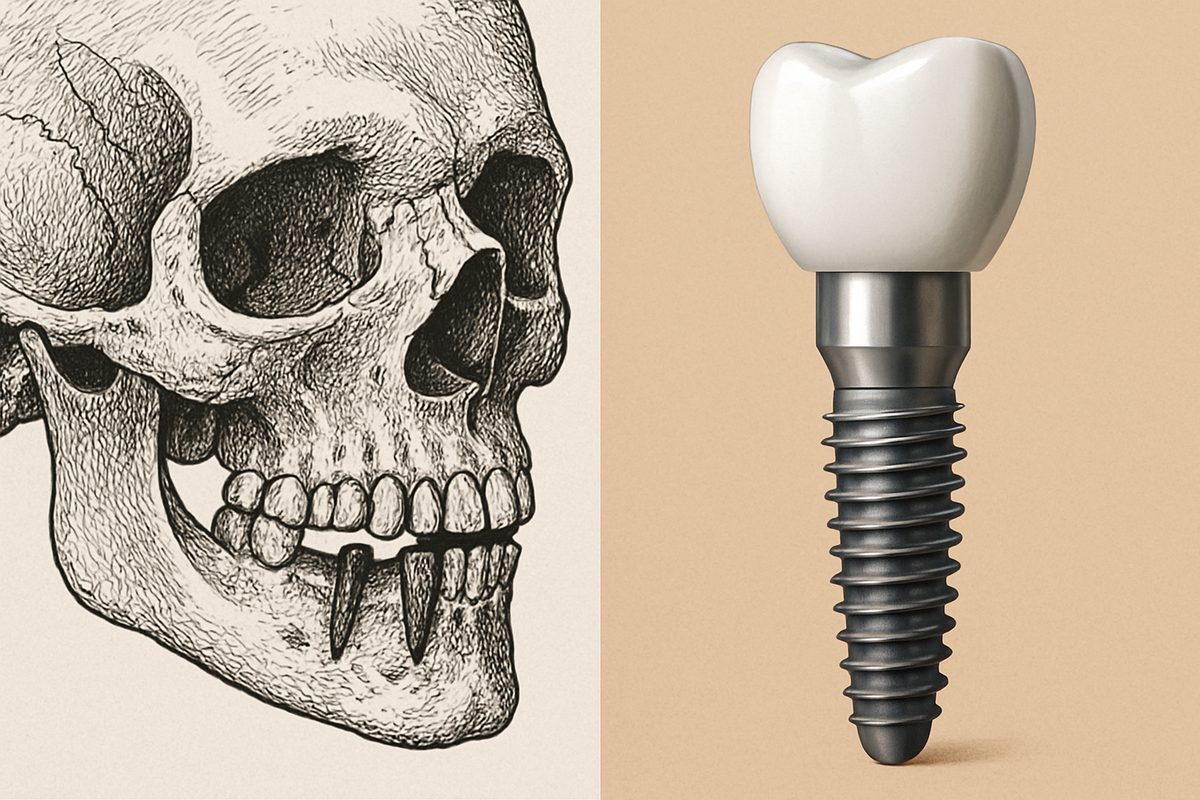
People have tried to replace teeth for thousands of years. Archaeologists found shells and metal pegs used to replace parts of ancient skulls. By the 1700s and 1800s, dentists experimented with gold and other metals. These early attempts often failed because the body rejected the material or the dentures didn’t stay stable. The drive for stronger, longer‑lasting materials set the stage for modern implants.
Key Milestones In The History Of Dental Implants
20th-century breakthroughs
The biggest change came in the 20th century, when scientists discovered osseointegration—the process by which bone bonds to certain metals. That discovery made implants predictable and durable. Surgeons began placing implants that remained fixed in the jaw, rather than loose false teeth that rested on the gums.
Materials and design advances
Implant materials moved from early alloys to titanium and now zirconia. Implant shapes and surface treatments were refined to help bone attach faster and reduce infection. Designs evolved to fit different needs: single-tooth crowns, bridges, and full-arch solutions like All‑on‑4.
How Technology Made Implants Safer And More Accurate
Modern imaging and digital tools have changed implant care. CBCT scans let dentists see bone in 3D before surgery. Intraoral scanners capture exact mouth shapes for better-fitting restorations. Surgical guides and CAD/CAM planning reduce guesswork, lower complications, and speed recovery. These tools are part of the recent history of dental implants, which have moved care from trial-and-error to precise planning.
When Implants Became Widely Available For Everyday Patients
As training improved and implant success rates rose, implants moved from specialty clinics into general practices. Costs gradually fell, insurance options and financing increased, and more dentists gained skills. That shift made implants a mainstream option for many adults.
What The History Of Dental Implants Means For Patients in Dawson County, Montana
The long arc of dental implant history in Dawson County, Montana, means local patients now have access to treatments that preserve bone, restore chewing function, and look natural. Advances in materials and digital planning mean implants placed today last longer and feel more comfortable than early versions.
Questions To Ask Before Getting Implants
– How many implants have you placed?
– Will you use CBCT imaging and digital scans?
– What type of implant (titanium or zirconia) do you recommend?
– What is the timeline from surgery to the final teeth?
– What are the risks and expected success rates?
– What financing or payment options are available?
About Sandcreek Dental And Modern Implant Care (Light Intro)
Sandcreek Dental brings modern implant tools to Glendive with CBCT, iTero/Trios intraoral scanners, CEREC same‑day crowns, and in‑house 3D printing. That technology, combined with careful patient care, applies the lessons of implant history to offer predictable, efficient treatment while keeping patients comfortable.
Next Steps For Patients Considering Implants Near Dawson County, Montana
If you’re thinking about implants, schedule a consult to review options. Bring your medical history, a list of questions, and any recent X‑rays. A short visit can show how today’s implant care—built on a long history—can work for you.