Dental implants in Fallon County, MT, are a long-term solution for replacing missing teeth.
This guide explains what implants are, who is a good candidate, the types of treatments available, the step-by-step process, cost and timeline factors, risks and care, and how to choose a provider. If you’re considering dental implants in Fallon County, mt, this article will help you know what to expect and how to prepare for a consultation.
What Are Dental Implants?
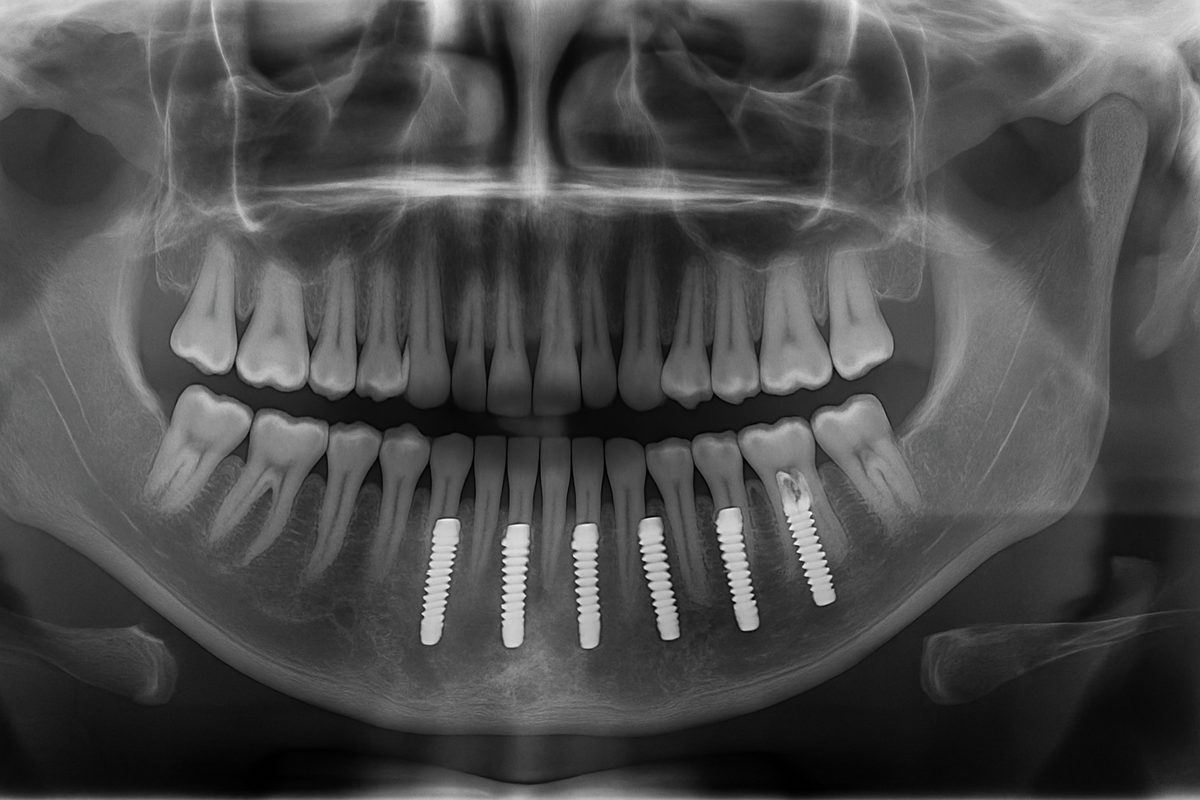
Dental implants are small titanium posts that act like tooth roots. A typical implant system has three parts: the implant (placed in the jawbone), the abutment (connects the implant to the visible tooth), and the crown (the replacement tooth you see). Unlike bridges or dentures, implants fuse with bone and do not rely on adjacent teeth for support. That makes them stable, long-lasting, and closer to natural teeth in feel and function.
Who Is a Good Candidate for Dental Implants in Fallon County, MT?
Healthy mouth and bone
Good candidates have healthy gums, low levels of gum disease, and enough jawbone to hold an implant. Chronic medical conditions like uncontrolled diabetes or smoking can affect healing, but many conditions can be managed so implants remain an option. Your dentist will review your health history and medications and may order scans to check bone quality.
Situations implants solve
Implants can replace a single missing tooth, several missing teeth, or an entire arch. They work well when a long-term solution is preferred over removable options. Implants prevent bone loss that often occurs after tooth loss and improve chewing, speech, and confidence.
Types of Implant Treatments
For one missing tooth, an implant-supported crown is common. For several teeth in a row, an implant-supported bridge can replace multiple teeth without affecting healthy neighbors. Full-arch solutions like All‑on‑4® support an entire upper or lower set of teeth on a few implants. Same-day crown systems (CEREC®) or immediate-load options may place a temporary crown on the same day as surgery, depending on case complexity and bone quality.
How the Implant Process Works: Step-by-Step
Consultation and digital planning
First is an exam with X-rays and a CBCT scan to see bone and anatomy. Intraoral scanners (like iTero or Trios) capture precise digital impressions. This digital planning helps determine the ideal implant position and whether bone grafting is needed. The dentist will review options, timelines, and costs.
Surgery and healing
During implant placement, the site is numbed, and sedation options are offered for comfort. The implant is placed into the jawbone, then a healing period of several months allows osseointegration (bone bonding to the implant). If bone grafts or extractions are needed, healing time may be longer. Most patients report manageable discomfort with OTC or prescribed pain control and follow post-op instructions.
Final restoration
After healing, an abutment is attached, and impressions or digital scans are taken for the final crown, bridge, or denture. Some practices use CEREC® or in-house CAD/CAM milling for same-day restorations, while others use lab-made restorations. The final restoration is adjusted for fit, bite, and appearance before being permanently attached.
What Affects Cost and Timeline Near Fallon County, MT
Several factors affect the price and time required for dental implants in Fallon County, MT. The number of implants, need for extractions, bone grafts, sinus lifts, and the type of restoration (crown vs. full-arch) change cost. High-end lab work, custom abutments, and immediate-load options can increase fees. Timeline ranges from a few months for a simple single implant to six months or more for complex full-arch care with grafting.
Risks, Complications, and Long-Term Care
Common risks include infection, poor osseointegration (implant not bonding), and mechanical issues like loosening. Signs to watch for are prolonged pain, swelling, pus, or loosening. You can reduce risks by keeping good oral hygiene, quitting smoking, and following post-op instructions. Long-term care includes regular brushing and flossing, using interdental brushes or floss around implants, and routine dental checkups to monitor bone and gum health.
Paying for Dental Implants in Fallon County, MT
Dental insurance often limits coverage for implants; some plans cover parts of the restoration or related procedures. Financing options, third-party medical/dental lenders, and in-office payment plans can help spread costs. Compare quotes, ask for itemized estimates, and prioritize treatments based on health needs. Using or saving in health savings accounts (HSAs) can also be helpful.
How to Choose a Provider for Dental Implants
Look for providers who use CBCT and digital planning, intraoral scanners, and a digital workflow for predictable results. Experience placing implants, documented before-and-after cases, clear treatment plans, and good patient reviews matter. Ask about sedation options, who will perform each step (surgeon vs. general dentist), warranty or follow-up care, and whether lab work is done in-house.
About Sandcreek Dental Near Fallon County, MT
Sandcreek Dental in Glendive offers full-scope implant care near Fallon County, MT, using CBCT for precise planning, iTero and Trios scanners for digital impressions, and CEREC® same-day crowns. The practice has in-house 3D printers and a fully digital workflow to streamline treatment. Dr. Matthew Calkins and Dr. Nathan Sickler provide community-focused care and prioritize patient comfort throughout implant treatment.
Next Steps: Scheduling a Consult
To prepare for your consult, bring a list of medications, medical history, any recent dental records or X-rays, and a list of questions. Expect a clinical exam, scans, and a discussion of options and costs. If you want to learn more about dental implants in Fallon County, mt, or schedule an implant evaluation, contact the office to book a consultation and begin planning a treatment tailored to your needs.